Was Eisav HaRasha Humble?
“And it came to pass when Yitzchak became old, and his eyes became dim from seeing, that he called Eisav, his older son, and said to him, ‘My son,’ and he replied to him, ‘Hineni.’” (Bereishis 27:1)
This requires explanation. Earlier, in Parshas HaAkeidah (Bereishis 22:1), it says: “And it came to pass after these things that Hashem tested Avraham, and He said to him, ‘Avraham,’ and he replied, ‘Hineni.’” Rashi z”l writes there: “Hineni — this is the response of the righteous; it is an expression of humility and an expression of readiness.”
This is difficult: How can we say that when Eisav said “Hineni,” it was an expression of humility, and that it was the response of the righteous?
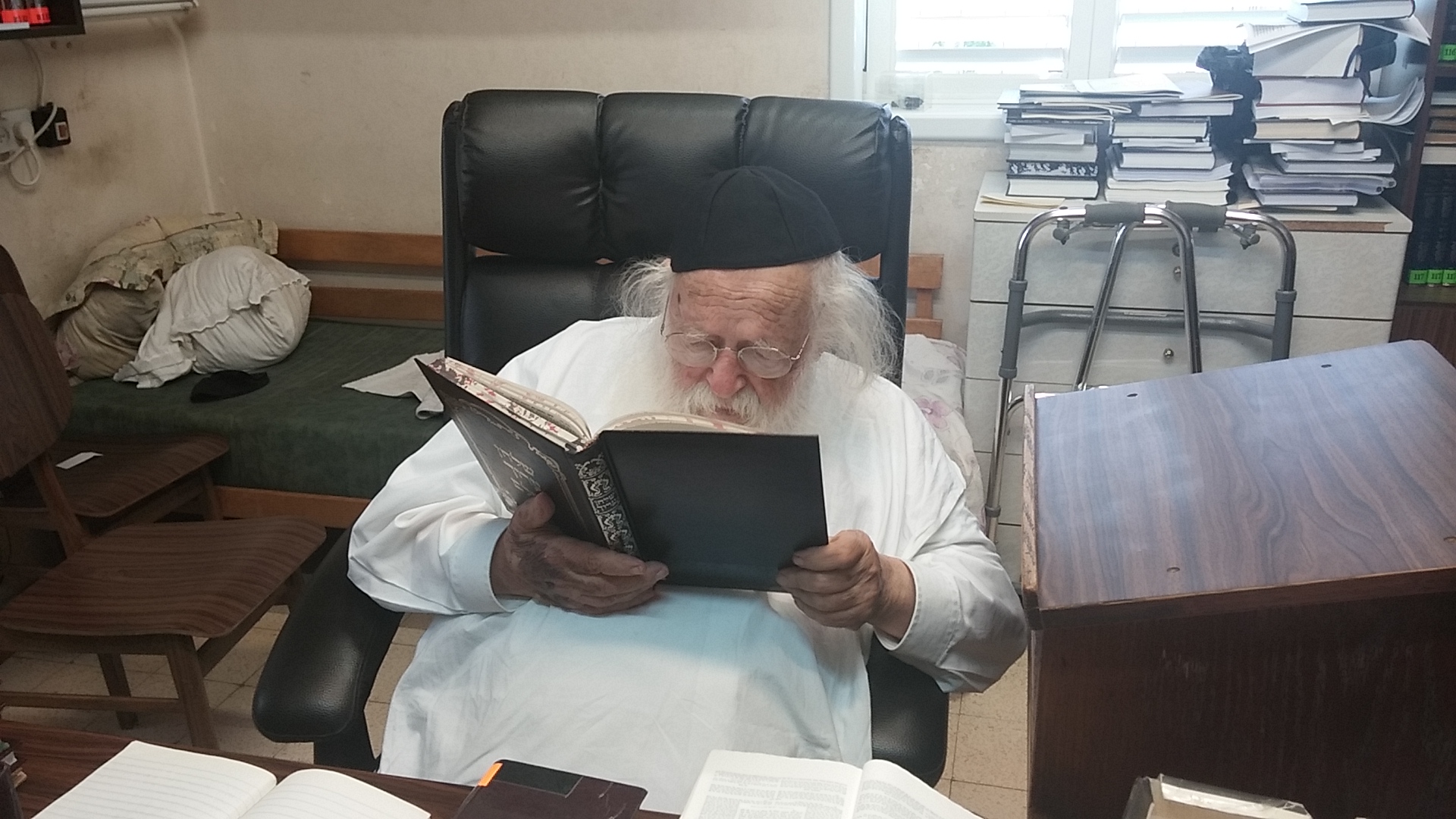
Maran Sar HaTorah, HaGaon Rav Chaim Kanievsky zt”l, answered that Rashi’s comment that “Hineni” is an expression of humility applies specifically when one responds to HaKadosh Baruch Hu.
After all, HaKadosh Baruch Hu sees and knows where Avraham Avinu is, so why did Avraham need to say “Hineni”? Rather, this is the response of the righteous: it expresses humility and readiness — “Hineni, I am ready and prepared to fulfill the will of my Creator.”
However, here, by Eisav, l’havdil, the situation was entirely different. Yitzchak Avinu’s eyes had become dim, and he could not see Eisav. Therefore, when Yitzchak called him and asked where he was, Eisav had no choice but to answer, “Hineni.”
There is therefore no expression of humility or righteousness in Eisav’s response. He was simply answering his father, who could not see him and needed to know where he was.