“Vateka Kaf Yerech Yaakov”
“And Yaakov remained alone, and a man wrestled with him until the break of dawn. And when he saw that he could not overcome him, he touched the socket of his thigh, and the socket of Yaakov’s thigh was dislocated as he wrestled with him.”
(Bereishis 32:25–26)
We must understand: Hakadosh Baruch Hu had given Yaakov Avinu two promises of protection: one when he left his father’s house — “U’shemarticha b’chol asher teilech” — “and I will guard you wherever you go,” and another when he left the house of Lavan — “V’ehyeh imach” — “and I will be with you.” If so, how could it be that the malach was able to injure him and dislocate his thigh? Surely Hakadosh Baruch Hu had promised to protect him!
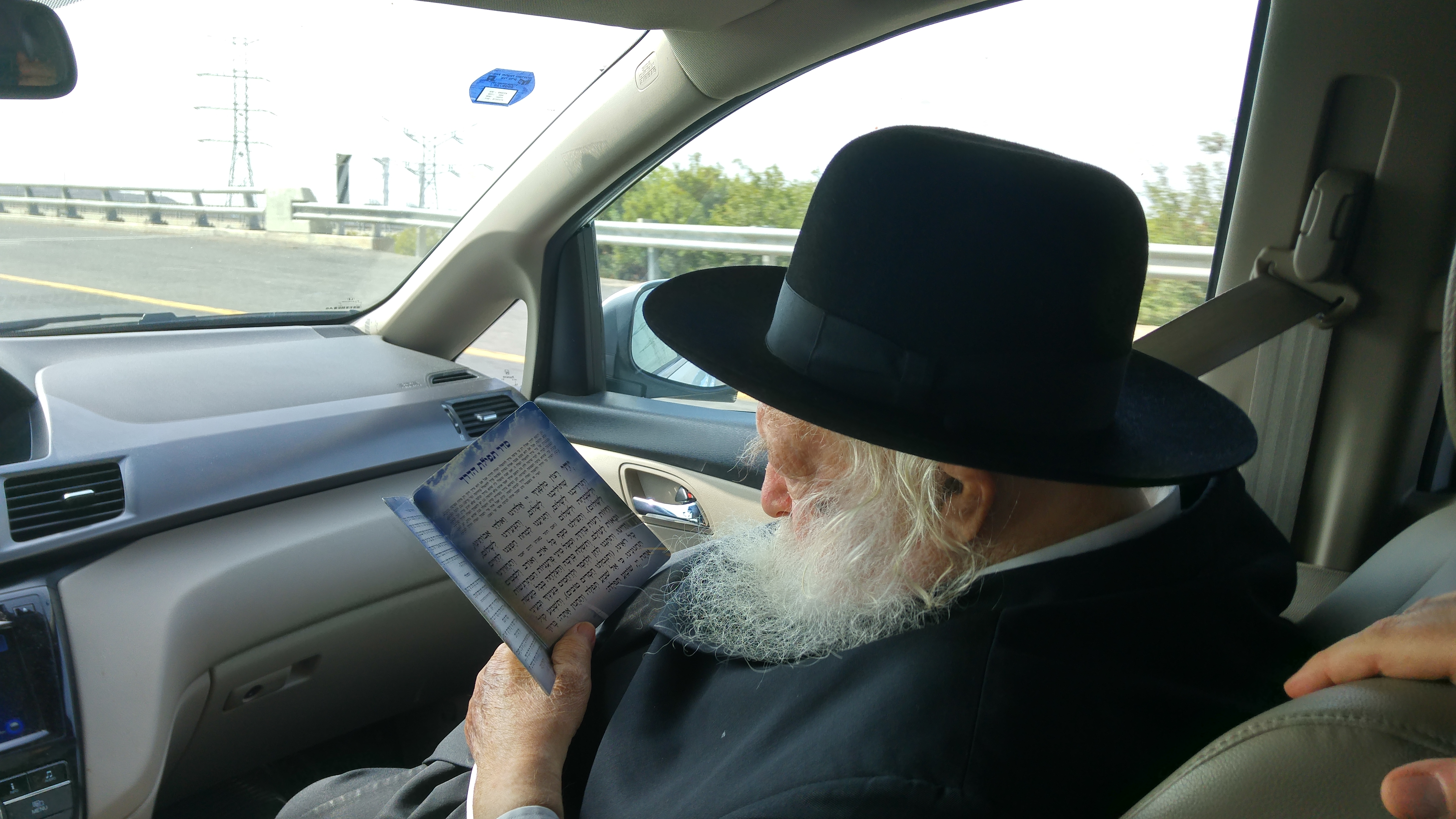
Maran HaGaon Rav Chaim Kanievsky, zt”l, explained that the Gemara in Chullin 91a derives from the pasuk, “Vaye’avek ish imo ad alos hashachar,” that a talmid chacham should not go out alone at night. Rashi, zt”l, explains that the proof is from Yaakov, who remained alone and was consequently harmed.
We see from here that Yaakov Avinu did not take the proper precaution of avoiding going out alone at night. Therefore, the malach was able to harm him. The promise of protection that Hakadosh Baruch Hu gave Yaakov applied when he conducted himself in accordance with the halachah; however, when there is a lack of proper caution and hishtadlus, the promise of protection does not apply in the same manner.
This is similar to what Chazal teach at the end of Maseches Chullin (142a), that shluchei mitzvah einan nizokin — those who are engaged in a mitzvah are protected from harm. Nevertheless, b’makom d’shchiach hezeika — where danger is prevalent, the mitzvah does not protect a person from harm.
So too, with Yaakov Avinu, a”h: since he went out alone at night, it was considered a situation of makom d’shchiach hezeika. In such a situation, he was not included in the promise of protection, because he was required to exercise caution and not go out alone at night.